
Familiar moments
Discuss favorite music, activities and routines that the person knows and enjoys.
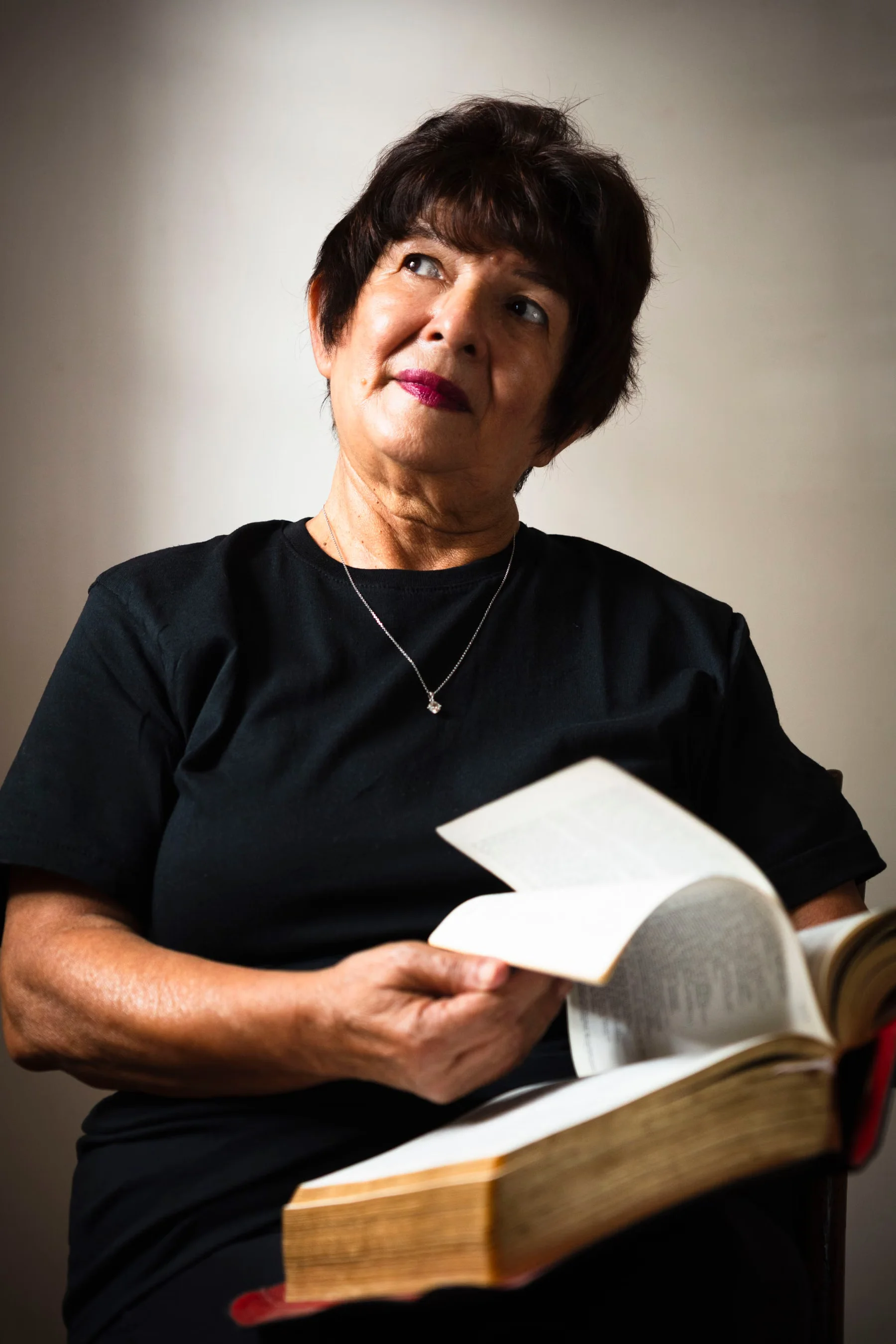
Patience & understanding
Familiar activities and patient, non-medical companionship.

THE LITTLE THINGS MATTER
A familiar song. A favorite activity. Time to connect without rushing. Our non-medical support follows the person’s routines and preferences, with patient companionship and communication agreed with family.
Who this may helpIndividuals living with dementia and families exploring non-medical everyday support.
WHAT SUPPORT CAN LOOK LIKE
Discuss favorite music, activities and routines that the person knows and enjoys.
Make time for a calm introduction and share communication preferences with the caregiver.
Talk through the everyday details family members know best, with appropriate permission.
SHAPED AROUND YOU
Agree the details with us before support begins, so you know what to expect.
PLANNING TOGETHER
Tell us about familiar routines, communication preferences and the assistance required. We will discuss whether the proposed non-medical support is suitable. Clinical questions remain with the person’s healthcare professionals.
Talk with us · +1 (617) 821-2954How arrangements workYOUR QUESTIONS
No. This service concerns non-medical companionship and everyday assistance, not diagnosis, treatment or clinical management.
Start with everyday preferences and practical support needs by phone. Avoid sending medical records through ordinary email.
CARE THAT CONNECTS
A little support starts here
Talk through care, availability and costs. Start with a call or an email.